Blog
5 situations where osteopathy can help.
Posted by Évolution Physio — on Monday, December 04, 2017
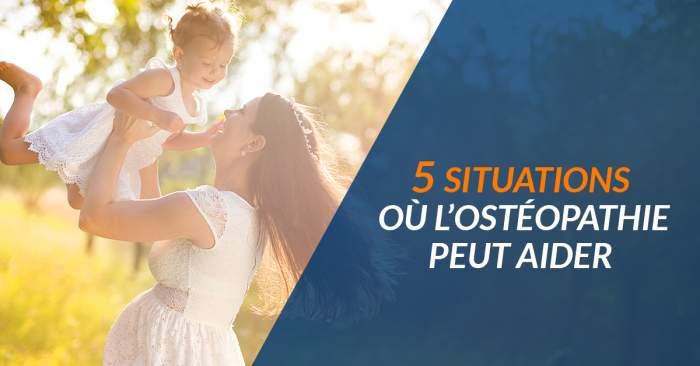
Although osteopathy may seem recent to many as a treatment for various symptoms, it is a traditional medicine that has existed for over 100 years. This preventive, exclusively manual practice is based on the principle of balance between the body’s various systems—skeletal, nervous, and muscular. A comprehensive assessment allows the practitioner to investigate the causes of neuro-musculoskeletal, visceral, and cranial dysfunctions, as well as the interactions between them. Since osteopathy is suitable for all, here are five life contexts where it can be particularly beneficial.
Pregnant women
During pregnancy, a woman’s body undergoes many physical and hormonal changes that require significant adaptation. Osteopathy can be particularly effective in relieving back pain, pelvic discomfort, sciatica, or digestive issues. Through gentle manipulations, the osteopath ensures mobility in the body and reduces pregnancy-related discomfort.
Osteopathic treatments are also recommended in preparation for childbirth: manipulations help maintain mobility and openness of the pelvis, contributing to a smoother delivery. After birth, osteopathy can help reposition the pelvis, uterus, and digestive system, and even balance the hormonal system—beneficial in cases of postpartum depression risk.
Newborns
Childbirth is a major event for both mother and baby. A newborn’s body, especially the skull, is quite malleable. Osteopathy can address various issues such as feeding difficulties, unexplained crying, sleep problems, flat head syndrome, or eating problems.
Treatment is recommended as early as possible, ideally within the first two months of life. These small adjustments may seem minor but can significantly contribute to the baby’s proper development, feeding, and overall well-being.
Children and adolescents
As children grow, their bodies continue to change and may experience minor impacts or falls. These events, which may seem insignificant, can affect structural development and result in postural problems. Since bones fully solidify by the end of adolescence, annual osteopathic follow-ups can help prevent long-term physical discomfort.
Osteopathy is increasingly part of a multidisciplinary approach for managing the effects of concussions, making it essential to visit an osteopath after such incidents.
Athletes
Both children and adults who are active in sports can benefit from osteopathic care. Treatments focus on two main aspects: injury prevention and performance enhancement. Injuries often occur when the body is unable to adapt to an impact or physical stress, including emotional stress. Osteopathy plays a preventive role by increasing the body’s adaptability, making it less vulnerable to injury. It can also improve respiratory capacity, recovery after exertion, and overall fatigue management following intense physical activity.
Adults
Modern adult life often involves long hours of sitting, sedentary habits, and stress. Osteopathy’s holistic approach helps correct postural imbalances. If left untreated, these discomforts can lead to pain, injuries, and even chronic illnesses.

Articles on the same topic that may interest you