Blog
In cycling, is it possible to be both aerodynamic and comfortable?
Posted by Joey Choquette Passarelli pht — on Monday, April 22, 2019
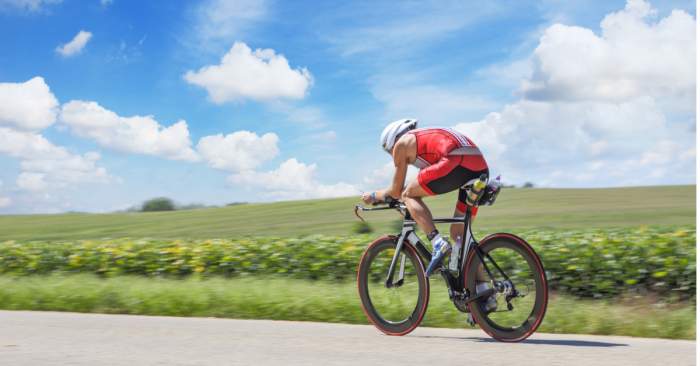
When cycling on flat terrain, the main resistance to overcome in order to gain speed is air resistance. In addition, there is gravity, which becomes particularly significant during steep climbs, and tire friction on the road, which represents a more minor source of resistance. Unfortunately for those looking to improve their speed, the faster you go, the greater the air resistance becomes. This is why, from a performance perspective, adopting an aerodynamic position is essential. However, caution is required, as several mistakes can occur when adjusting your position in the pursuit of better performance.
First, it’s important to understand that the most aerodynamic position is not necessarily the most optimal position for performance. If a cyclist is placed in an extremely aggressive position but is unable to generate as much power as they could in a slightly more upright position, they may not reach their maximum performance potential. In addition, a more aggressive position requires good flexibility, particularly in the lower limbs. If the cyclist does not have the necessary flexibility to maintain the position, they could risk injury and may struggle to hold the position throughout an event. This could result in spending part of the race in a position different from the intended one.
During a bike fitting performed in physiotherapy, the physiotherapist evaluates the cyclist’s flexibility, including mobility in the hips, posterior muscle chain, and shoulders. All of these factors are important when determining the optimal position for the cyclist. The type of event must also be considered. For example, the ideal position will differ between a 150 km race and a criterium. The same applies when comparing a sprint triathlon (20 km cycling) and a long-distance triathlon (180 km cycling).
In cycling, the highest speeds are often reached during descents. The current record is held by cyclist Eric Barone, who reached 172 km/h during a downhill run. Below is an illustration detailing the aerodynamic advantages of different riding positions.
Bike position
https://www.velomag.com/actualites/la-position-de-descente-supersonique-de-froome-nest-pas-la-meilleure/
Warning: most of these positions reduce bike handling. It is therefore important to master them before attempting to use them on the road.
In conclusion, it is possible to be both aerodynamic and comfortable on a bike. However, it is important to maintain realistic expectations regarding your final position based on your individual characteristics, your bike type, the type of event, and to avoid simply trying to replicate what you see on television. A physiotherapist specialized in bike fitting can help you achieve both performance and comfort goals.
Joey Choquette Passarelli
Physiotherapist – Certified Bike PT
Cycling and triathlon enthusiast

Articles on the same topic that may interest you